


Athletes track everything but this
Athletes chase 1% everywhere. They weigh their food, track every rep, and wear rings and straps that grade their sleep each morning.
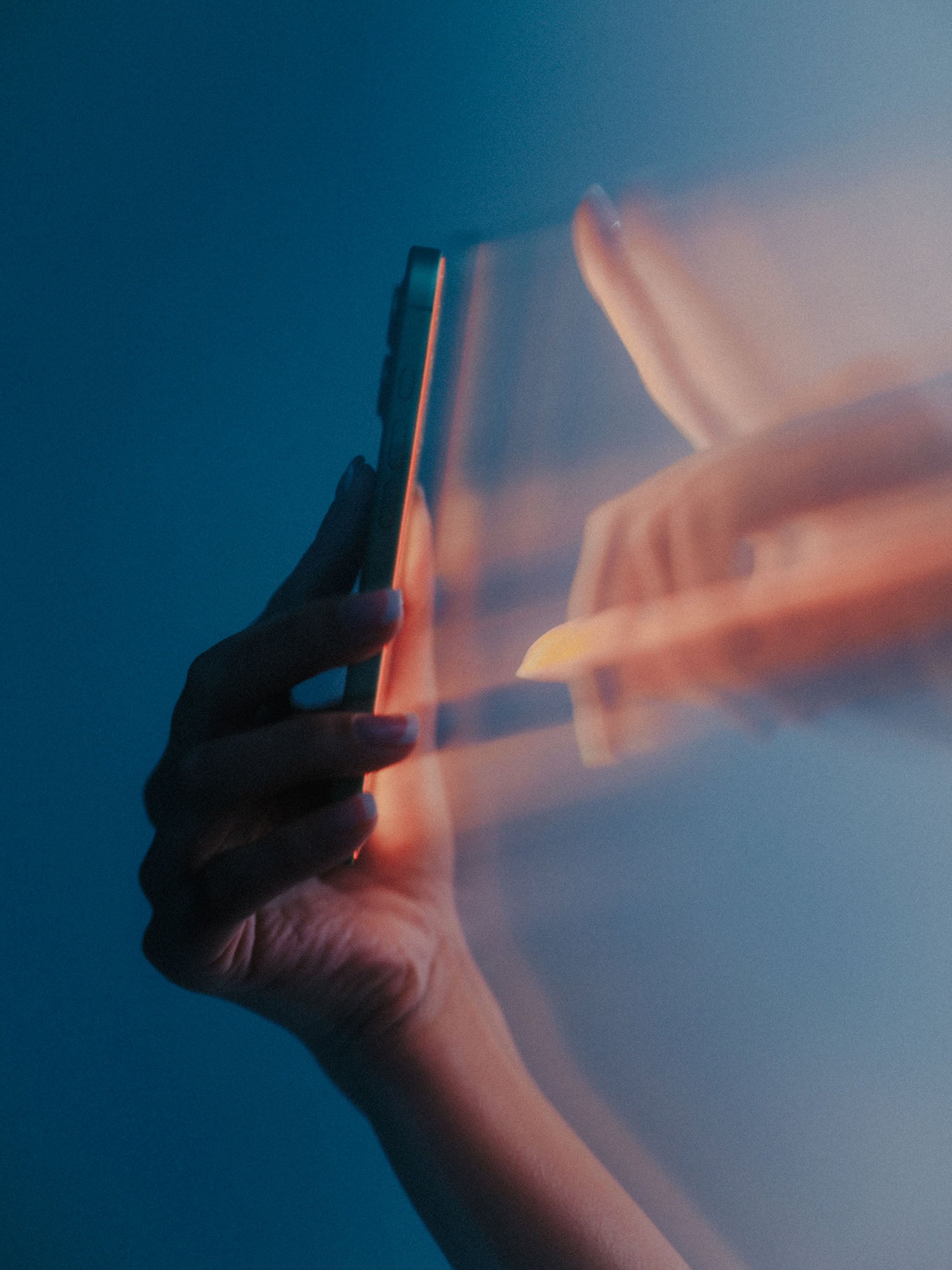
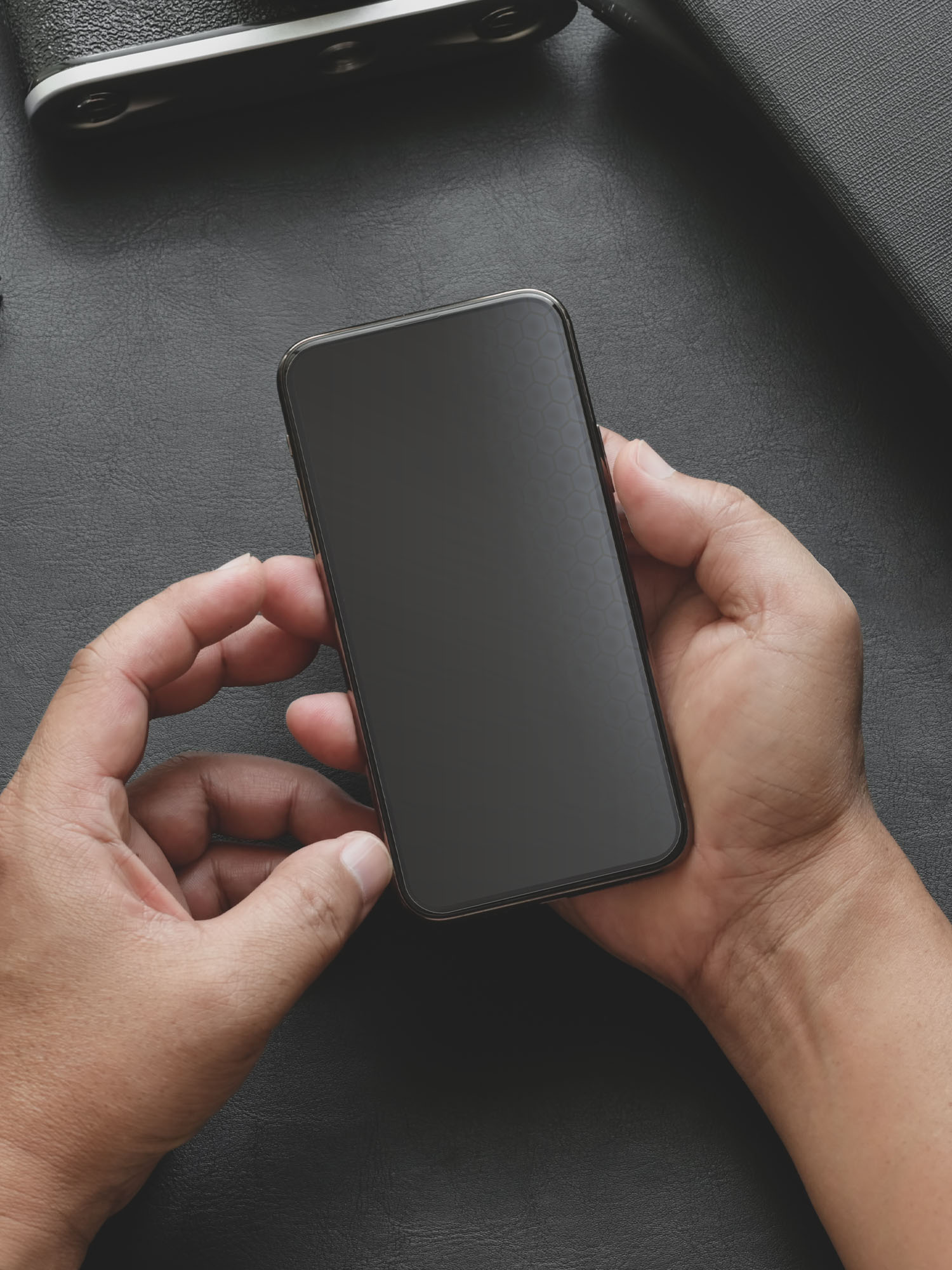
Then they get into bed and pick up their phone.
It's the last thing most of them see before sleep, and the one input almost nobody manages. After a late game, a long flight, or a full day of practice, the phone is how athletes come down. They text family, watch film, and scroll until they're tired.
We don't think the answer is taking the phone away. We think that last hour is a 1% gain sitting on the nightstand, and almost nobody has picked it up yet.
Recovery happens after lights out
All that training only pays off if the body recovers. Sleep is when muscle repairs, practice sinks in, and the body resets for tomorrow.
Light controls a lot of that. Blue light, the kind your phone gives off, tells your brain it's still daytime. Seeing a lot of it late at night can push sleep back and make it lighter.
It won't ruin a night. It takes a little off each one. A little every night, over a whole season, is exactly the kind of margin athletes spend their careers chasing.
Rules don't survive road trips
Teams already know this. That's why phone curfews, blue-light glasses, and "no screens after 9" rules show up across the sport.
But every one of them depends on someone remembering. The glasses end up in a bag. The curfew slips on a road trip. Nobody follows a rule perfectly at midnight in a hotel room after a loss.
The gains that last are the ones that happen whether you think about them or not.
Fix the screen, not the habit
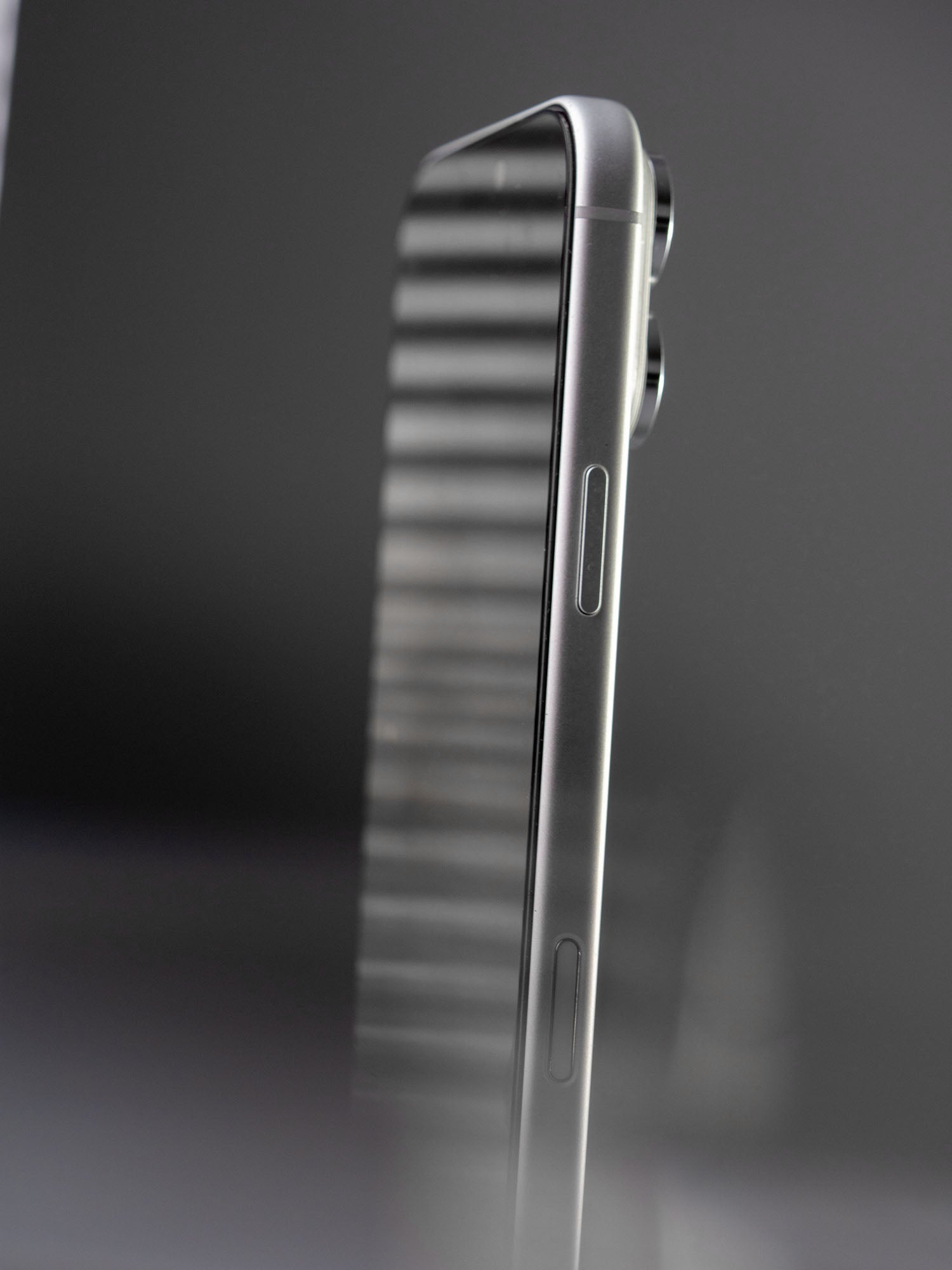
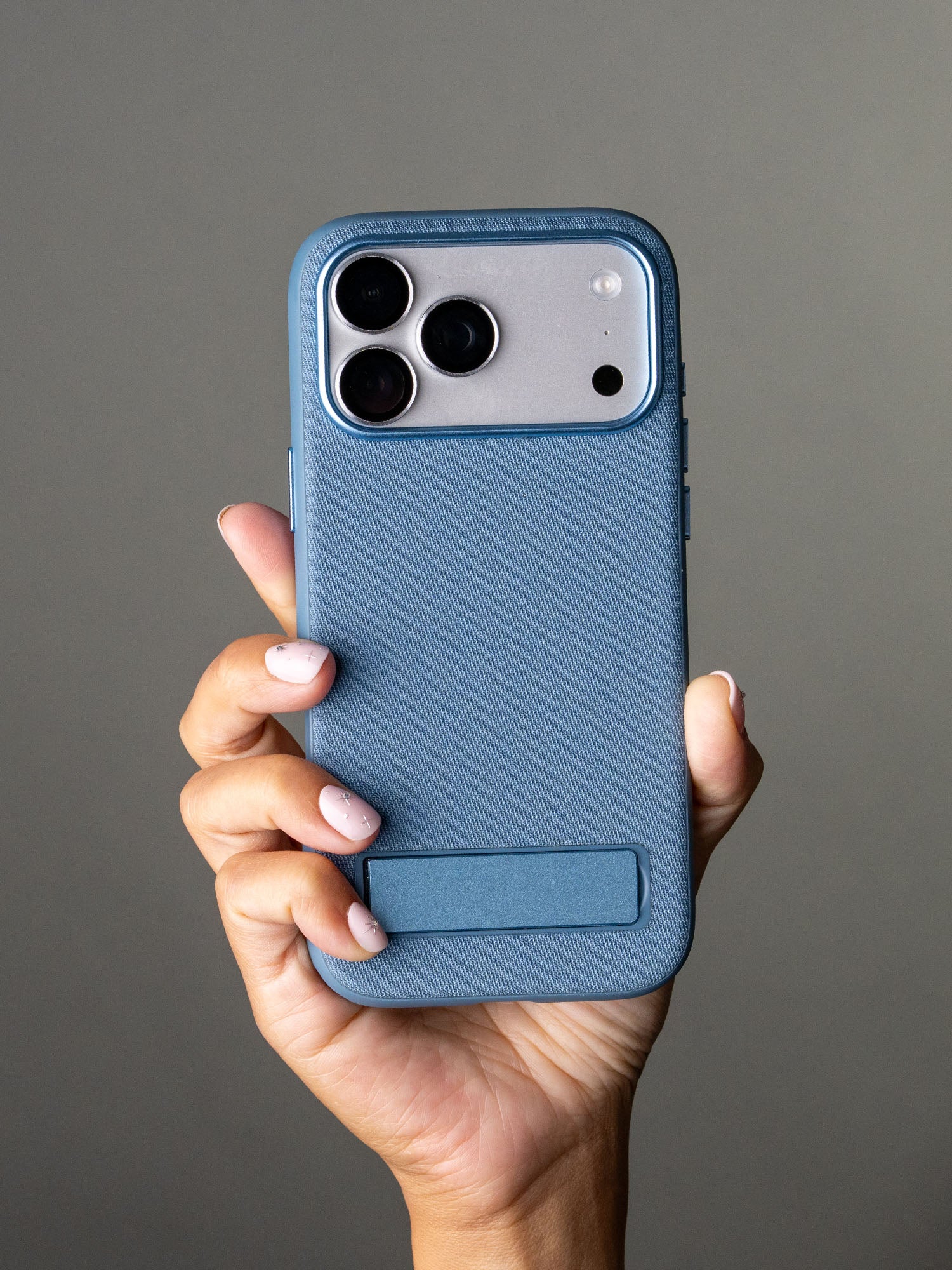
That's the idea behind Red Light Converter. Instead of asking you to change what you do at night, it changes what your screen gives off. It filters out much of the blue light while you use your phone the way you always do.
It also boosts red light in the 630–660nm range by more than 50%. That's the same range athletes and trainers already know from red light research, and it's light your body doesn't read as a wake-up call. Same phone, better light for the end of the day.
There's nothing to wear, charge, or turn on. You put it on once and it works every night, including the nights you forget it's there. That's why it sticks when everything else doesn't.
It's what we believe about screen time in general. We're not here to tell anyone to put their phone down. We want the time you spend on it to be better. For an athlete, better screen time means the last hour stops costing them recovery.
Several professional athletes already use Red Light Converter as part of their nighttime routine. None of them had to change how they use their phone.
One percent, every night
Elite athletes rarely win with one big change. They win by stacking small ones: a little more sleep, slightly better fuel, a recovery habit they keep all season.
A season has a lot of nights. Get a little back from each one and you'll feel it late in the fourth quarter. You don't need more discipline or a new routine. You just need a better screen.
You don't have to be a pro for this to apply. If you train hard, work late, or just want to wake up more rested, there's a 1% sitting on your nightstand too. What you put on your phone matters.


Leave a comment
This site is protected by hCaptcha and the hCaptcha Privacy Policy and Terms of Service apply.