

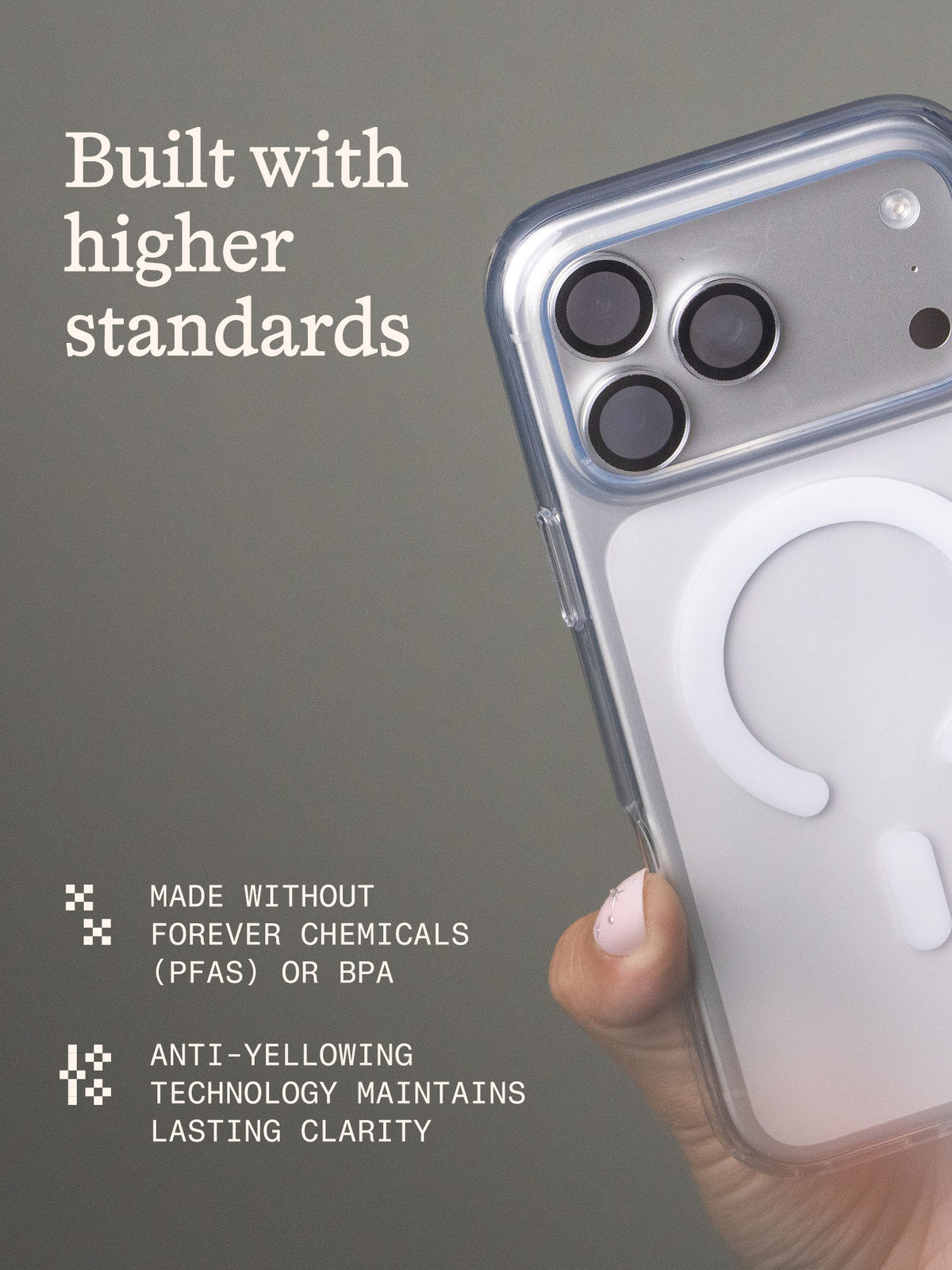
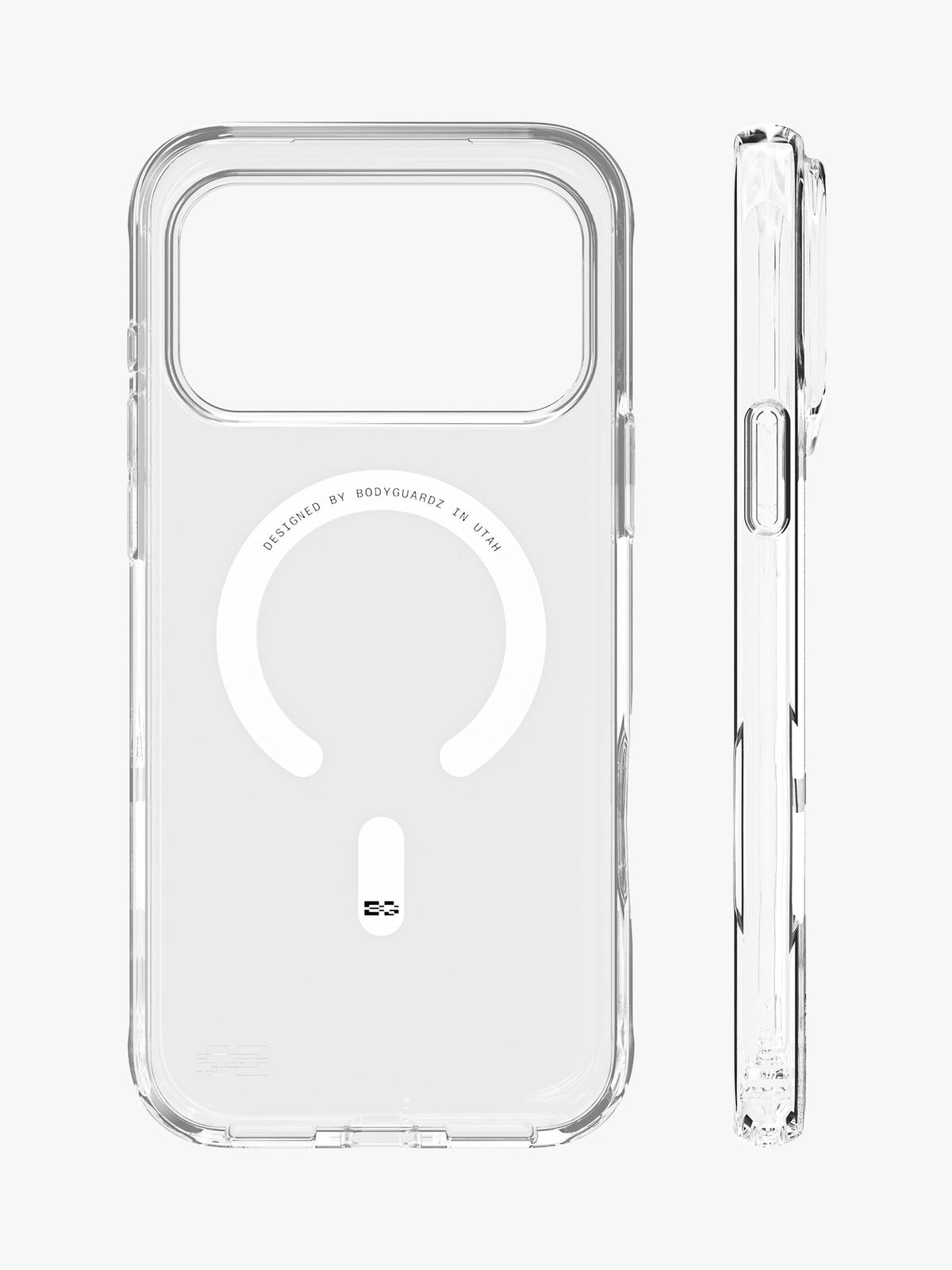

Carve Clear Case for iPhone 17 Pro
iPhone 17 Pro ↓

CALIFORNIA WARNING
This product can expose you to chemicals, which are known to the State of California to cause cancer and birth defects or other reproductive harm. For more information go to www.P65Warnings.ca.gov.
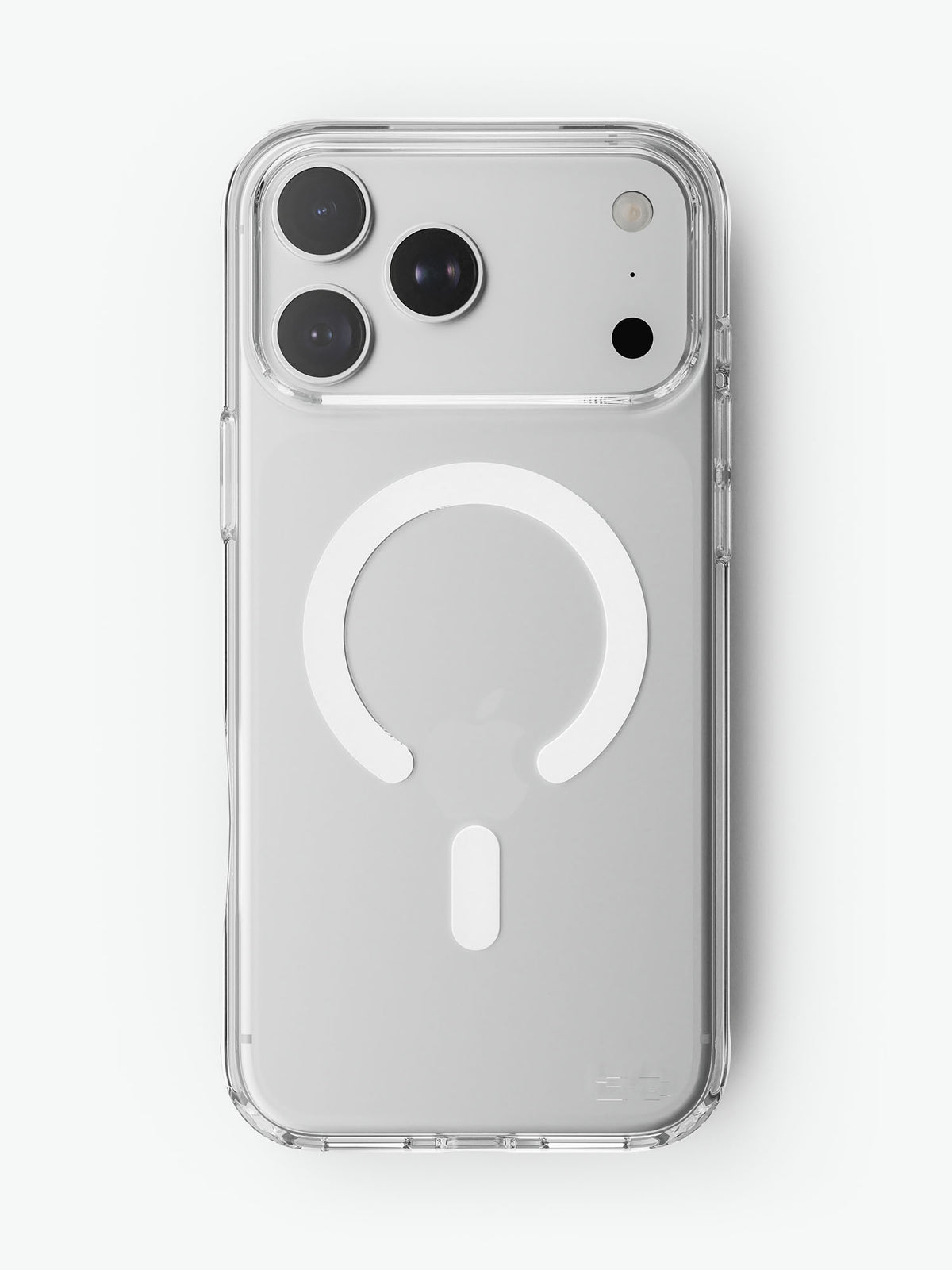

Carve case for iPhone 17 Pro
Your phone in its purest form, but better.
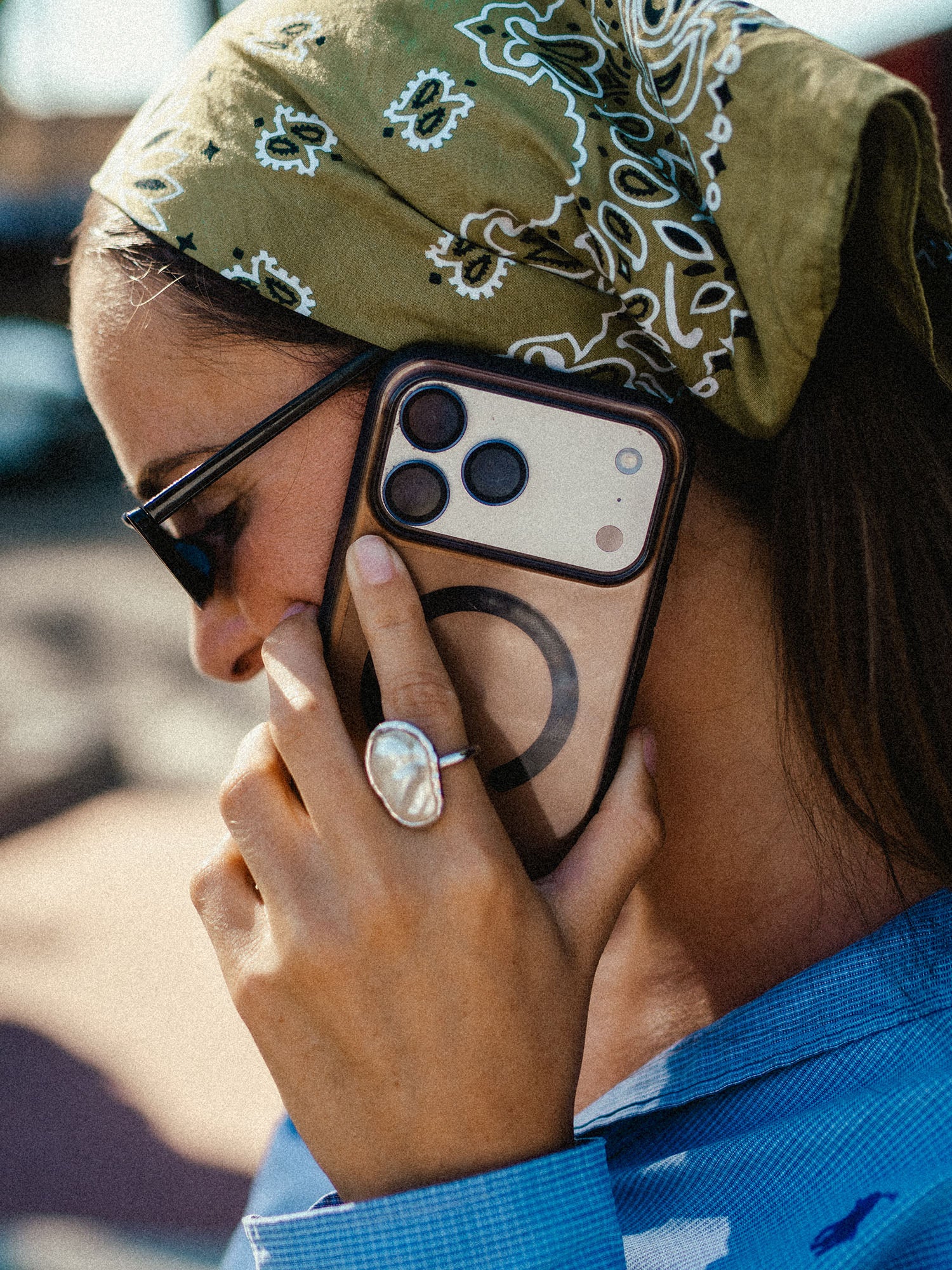
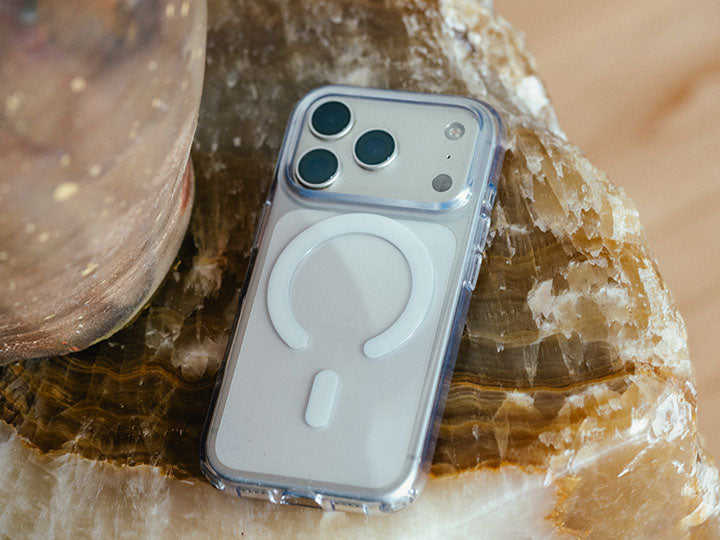
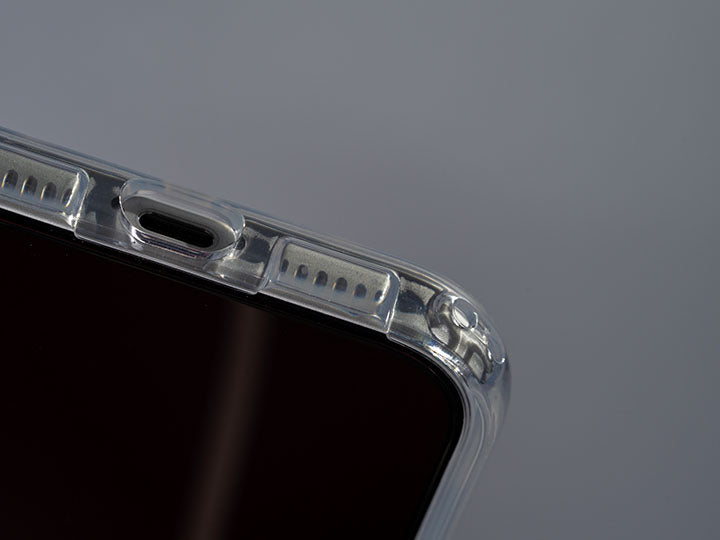
Carve is designed to show off your iPhone while protecting it from real life. The crystal-clear case keeps your phone the focus. Its impact-absorbing design, with glass-like clarity and a slim profile, is built for everyday drops, bumps, and wear.

Higher standards for the products you touch most.

( 01/04 )
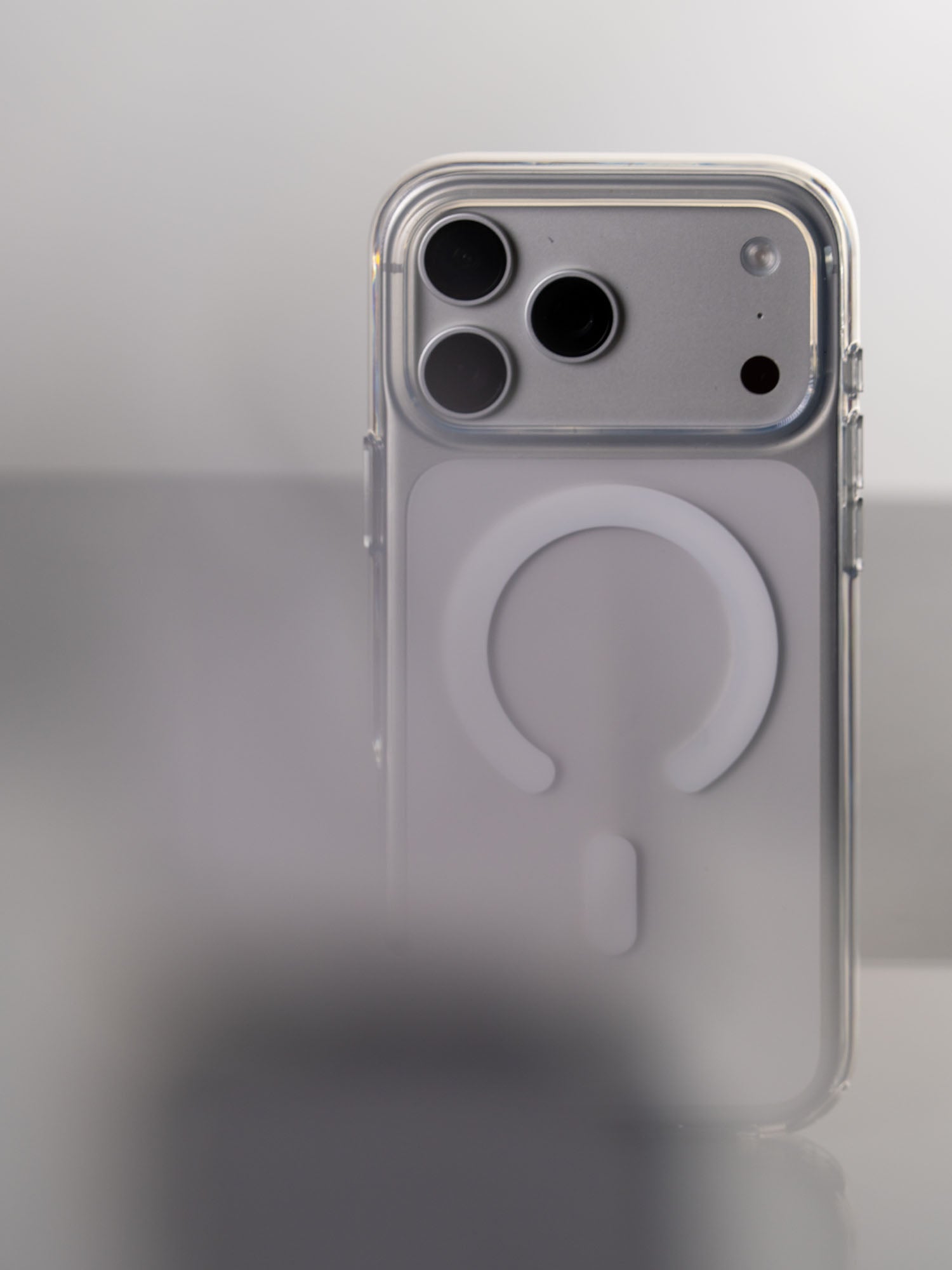
Glass like clarity
FORGET BULKY CASES THAT HIDE YOUR IPHONE'S SLEEK DESIGN. CARVE IS CRAFTED WITH PREMIUM MATERIALS FOR UNMATCHED CLARITY—SHOWCASING THE BEAUTY OF YOUR IPHONE EXACTLY AS INTENDED.

( 02/04 )
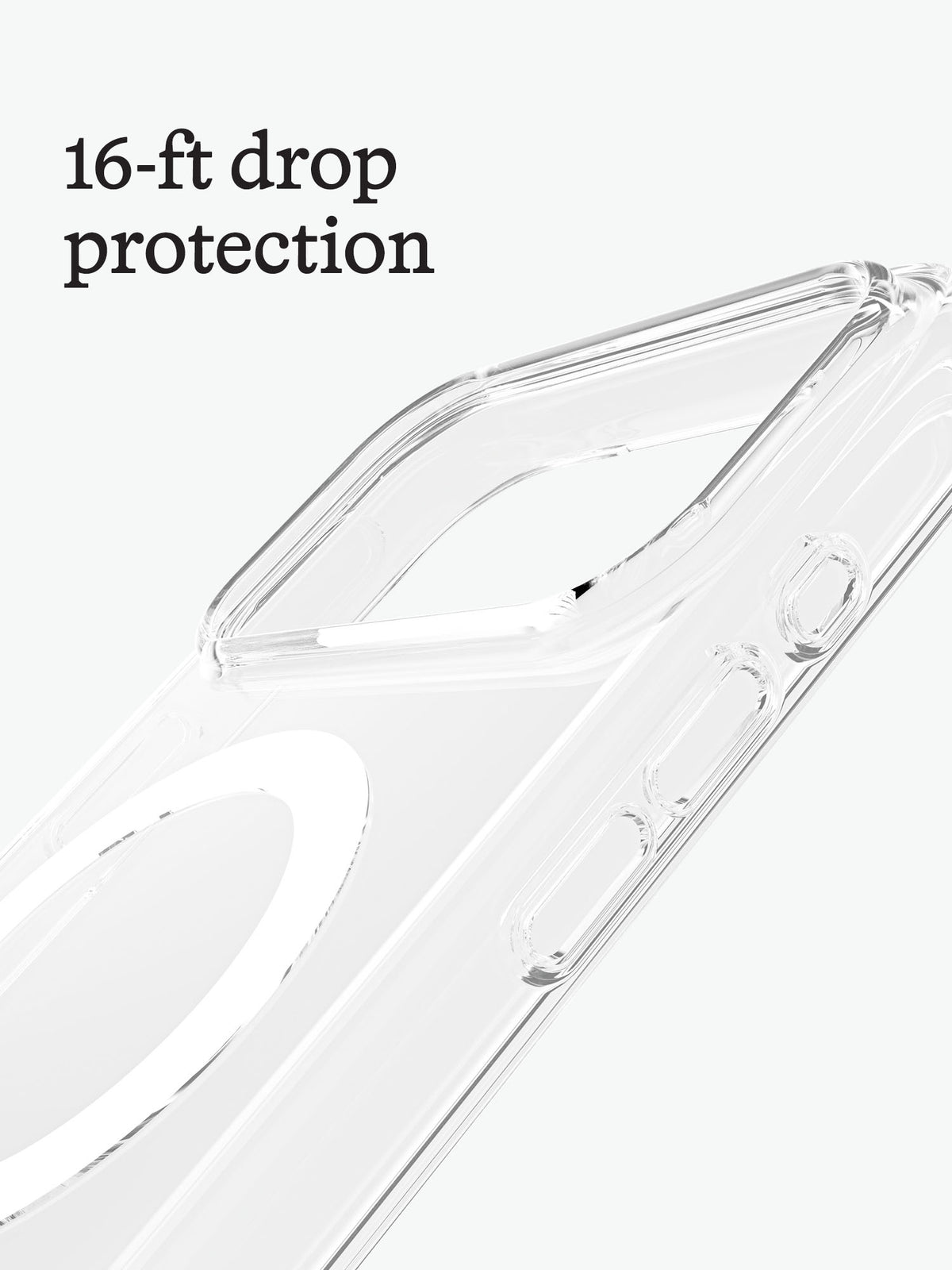
16-ft drop rating
Independently tested to survive drops from nearly twice the industry standard, so accidents stay accidents.

( 03/04 )
Cleaner materials
ENGINEERED WITHOUT FOREVER CHEMICALS (PFAS) OR BPA, BECAUSE THE SURFACE THAT LIVES IN YOUR HANDS—AND AGAINST YOUR FACE—SHOULD BE MADE WITH CLEANER MATERIALS.

( 04/04 )
MagSafe + wireless-charger ready
Full compatibility with MagSafe accessories and wireless chargers, no case removal required.
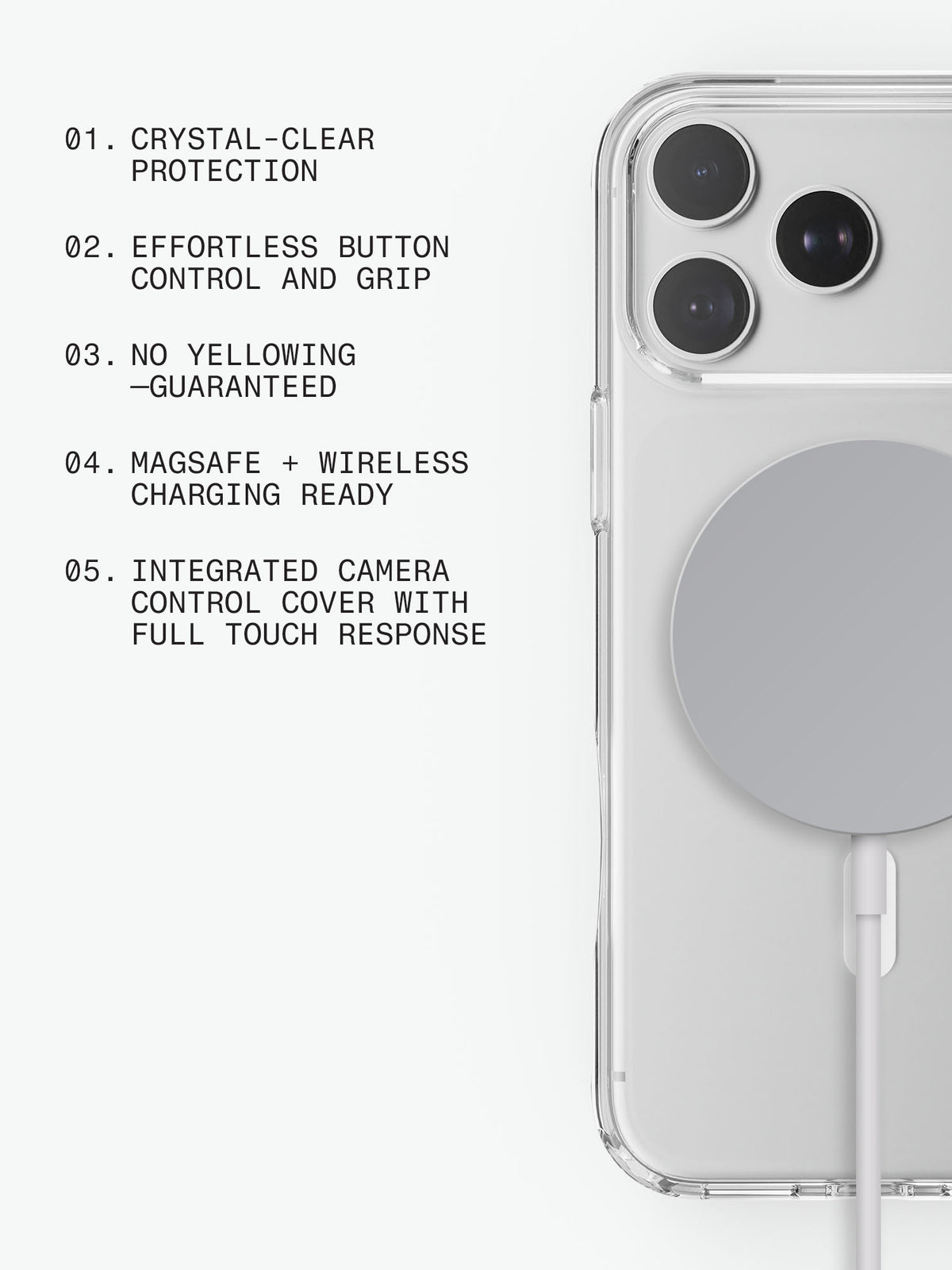
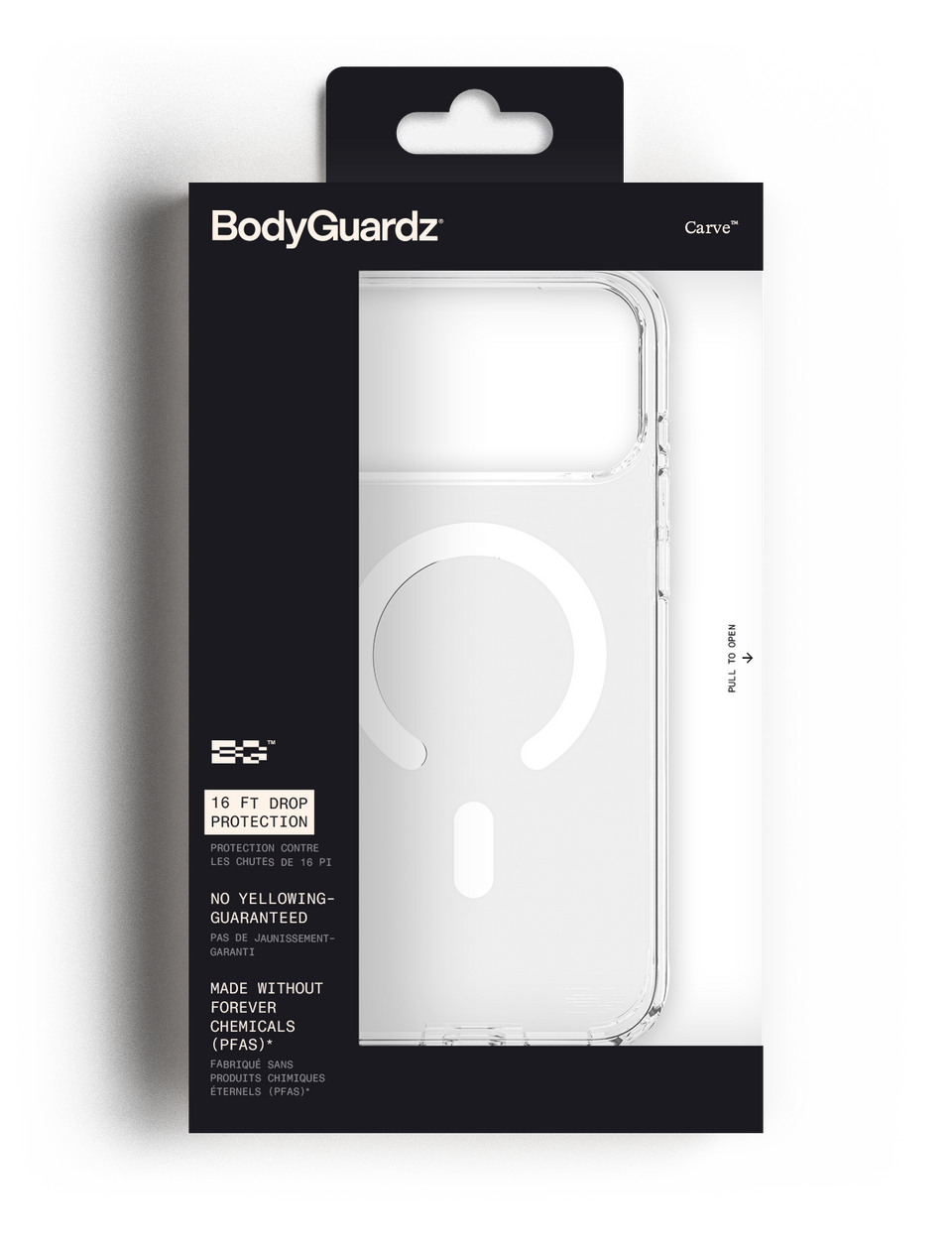
Show off your iPhone with crystal-clear protection. Carve delivers 16-ft drop protection, no-slip grip, MagSafe compatibility, and no yellowing—guaranteed.
Our Commitment to You
We’ve been making the best protection available for 24 years. We’re confident you’ll notice the difference. But if not, send it back. No questions asked.
Eco Product
- made with recycled materials
PACKAGING DETAILS
- 100% Recyclable
- Soy-based Ink
- Responsibly Sourced – FSC Certified
Higher standards, all the way through.
WHAT WE TOOK OUT, WHAT WE REINFORCED, AND WHY IT MATTERS IN A CASE
Wait, you can recycle tempered glass?
Tempered glass is recyclable but only at the manufacturing level. You can’t put it in your curbside recycling, but tempered glass byproducts can be de-tempered and repurposed in new products. So, yes, our claims of using 60% recycled glass are genuine, but we don’t want to create the impression you can simply chuck your old glass doors, cookware, or screen protectors into the recycling bin.
How much sand does it take to make tempered glass?
By using 60% recycled glass, we’re able to save a ton of sand, literally. Pure 3 is made from 42% sea sand—a highly coveted type of sand that’s also used in everything from concrete and ceramics to golf courses and sports fields. In comparison, our previous line of Pure 2 glass is made from roughly 60% sea sand. With Pure 3, we’re also using less virgin material for our alkali, aluminum oxide, and magnesium oxide additives. And with our competitors scrambling to develop their own recycled glass screen protectors, we’re making the entire industry more sustainable.
Isn’t sand a renewable resource?
No, sand is not a renewable resource, but it is the second most used resource in the world, next to water. It’s used to make concrete, glass, paper, plastics, plaster, paint, food, wine, cosmetics, and a ton of other stuff. And we’re running out of it—especially the smooth sand used in high-quality glass manufacturing. The looming sand shortage isn’t just an environmental and economic concern. It’s also a human rights problem as sand mafias have formed to hoard and leverage the stuff to further an agenda of power and control. We alone can’t solve the sand shortage problem, but we’re proud to have created a screen protector that slows our consumption of this surprisingly critical resource.
How much energy does it take to make virgin vs recycled glass?
Like many recycled materials, the environmental benefit isn’t just using less virgin material but using less energy as well. We recognize that energy consumption for producing tempered glass depends on several factors. We already use methods like loading efficiency to minimize the energy used to make our tempered glass, but recycled glass is making our operations even more energy efficient. According to the EPA, producing glass from virgin materials requires 30% more energy than producing it from crushed, used glass.
How much carbon emission is saved from using 60% recycled glass?
Probably about 15%. According to a recycled glass market research report from The Insight Partners, “every 10% of recycled glass or cullet used in production results in an ~5% reduction in carbon emissions.” While we don’t have independently verified numbers from our factories, this figure is in line with what our manufacturing partners are reporting from the production of our Pure 3 screen protectors.
- MKMichael K.Verified BuyerRated 5 out of 5 stars6 days agoGood Case
Fits well, provides protection, and allows the phone color to be visible. All good.
- PTPaula T.Verified BuyerRated 5 out of 5 stars5 months agoNo slip!
Great grip -- doesn't slip out of your hand. Also, great fall protection.
- LBLaura B.Verified BuyerRated 5 out of 5 stars6 months agoGreat case and protects phone well.
Great case and protects the phone well.
- MEMichelle E.Verified ReviewerRated 1 out of 5 stars6 months agoDo NOT purchase any clear product from BodyGuardz
I am a previous customer, having formerly purchased the solid green (not a clear/tinted plastic case) and solid purple. Both of my previous purchases lasted 3+ years. Any of the plastic or "clear" cases are ABSOLUTE garbage. I purchased the Carve Case -- with its clear body -- and in less than a year the plastic has faded into a YELLOW/BROWN looking plastic, that looks horrible + so old! I sent photos to BodyGuardz wanting to exchange -- AND BECAUSE I PURCHASED THE RENEWAL PROGRAM -- but they would not let me swap for a different/non-plastic product, only the exact same garbage Carve Case which would 100% discolor again in a few months. In fact, I hated the yellowing color so much/it made my phone look 5,000 times dirtier than it truly was, that I was so fed up I paid $40 to get a non-plastic case. I cannot believe that the majority of BodyGuardz's cases are now this junky plastic. I will not be buying from them again, especially given I purchased the case renewal, but got nowhere with Customer Service. Go elsewhere for the price.
MSMy Store6 months agoWe're so sorry to hear that! We'd love to send a new case out for you at no charge! We've emailed you to help with this!
- LSLexie S.Verified BuyerRated 4 out of 5 stars1 year agoGreat Functionality
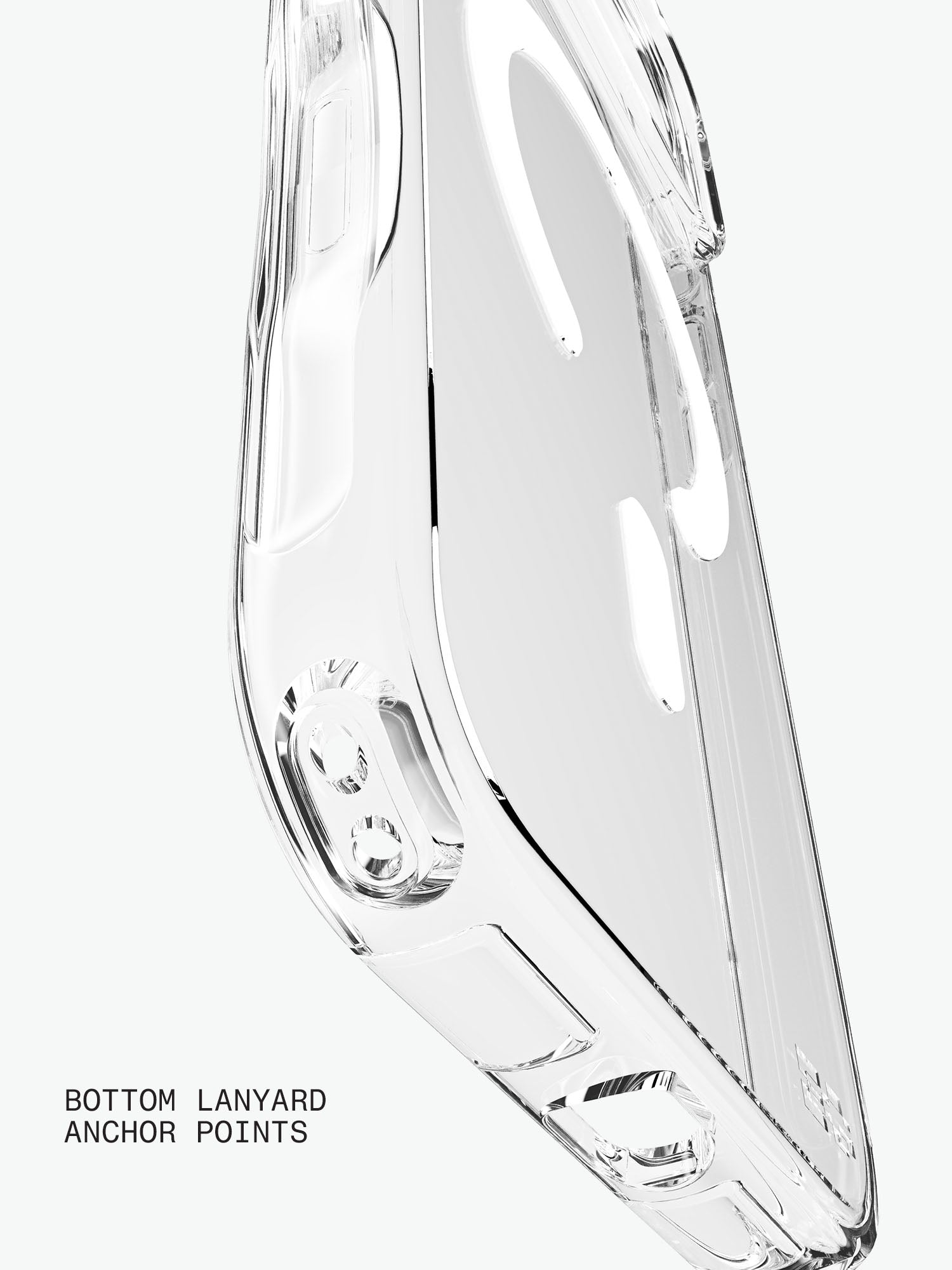
It looks great! I have a Polaroid in the back of my phone so the back does not block the Polaroid but this case also protects my phone. I’ve dropped it a few times (about 4 feet <im short>) and it has survived so far. The only thing is I wish it came with a phone charm hole. You know those two holes on the side of the case that allow you to put a charm on. I have mine wrapped around my ringer toggle button.