




We don't feel the damage happening in real-time, which makes it easy to dismiss. But your skin's biology doesn't lie. Protecting yourself isn't about being anti-tech—it's about being pro-health.
Most of us have a solid morning routine: a splash of water, maybe some moisturizer, and definitely sunscreen if we’re heading outside. We’ve been trained to respect the sun, but we rarely give that same level of respect to the glow of the smartphone we’re holding before we even get out of bed.
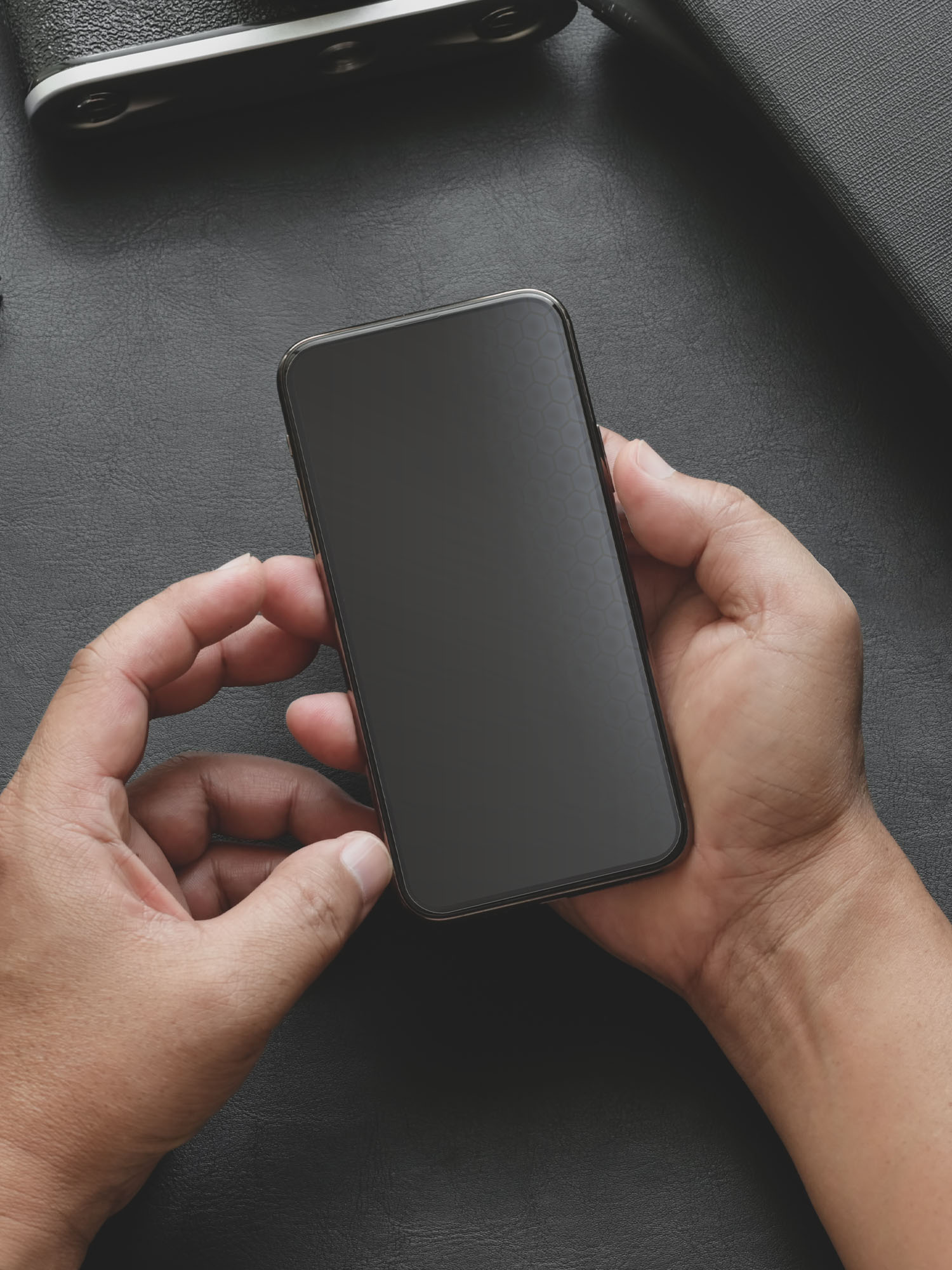
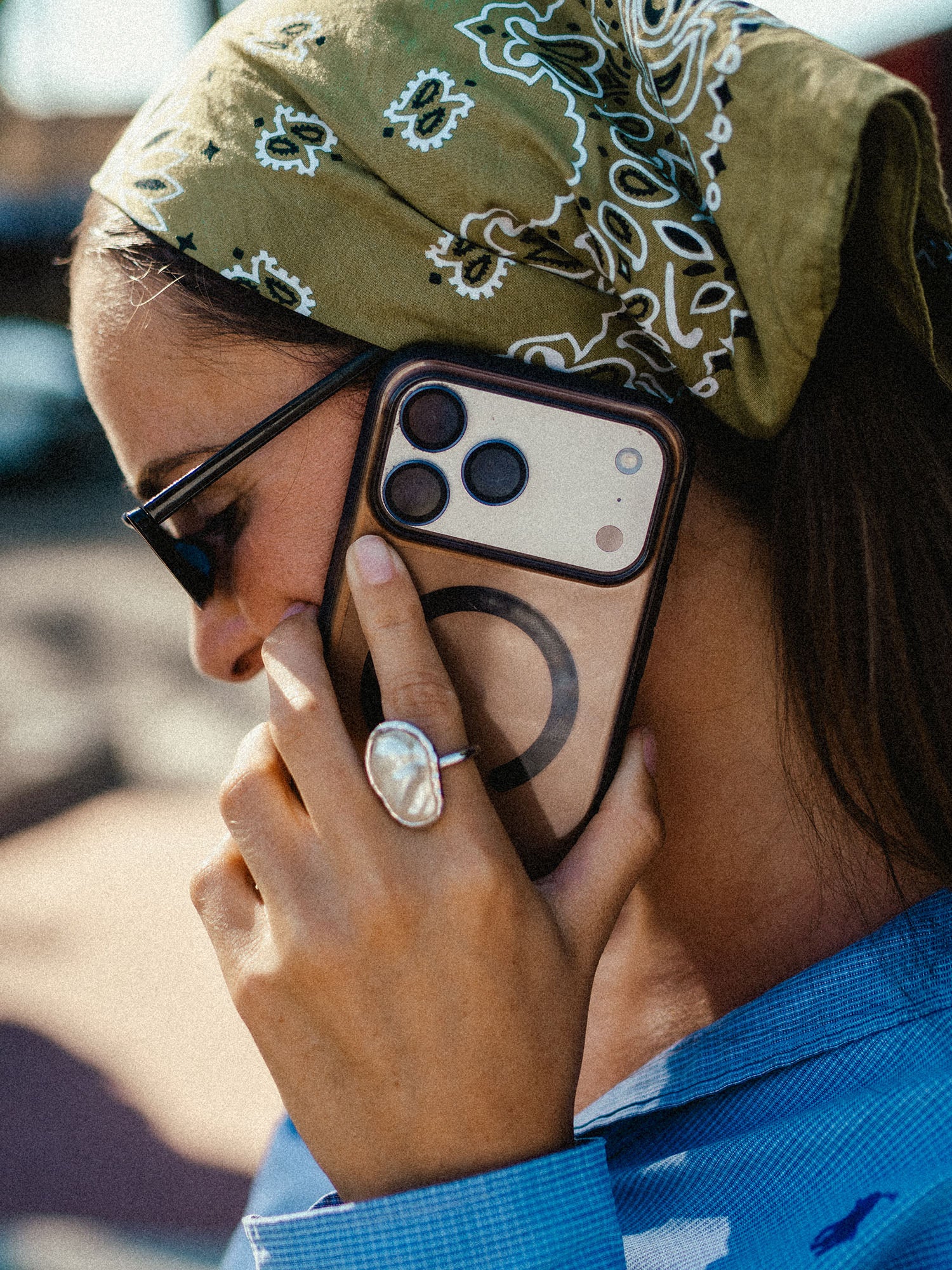
While the conversation around High-Energy Visible (HEV) blue light has mostly focused on our sleep, a new area of research is emerging in dermatology called "digital aging." It’s a look at what happens to our skin when we spend several hours a day with a high-energy light source positioned just inches from our face.
The Long Game of Light
To understand digital aging, you have to look at how light travels. Most of us are familiar with UVA and UVB rays—those responsible for sunburns and long-term sun damage. Blue light sits right next to these rays on the spectrum, but it has a longer wavelength.
While blue light doesn't "burn" the surface of the skin the way a day at the beach might, that longer wavelength allows it to penetrate deeper than UV rays. It reaches all the way down into the dermis—the structural heart of your skin where collagen and elastin live. When blue light hits this layer, a chemical reaction is triggered called oxidative stress, which acts like a slow-motion wrecking ball for your skin’s integrity—leading to premature wrinkles, persistent redness, and dark spots.
We don't feel the damage happening in real-time, which makes it easy to dismiss. But your skin's biology doesn't lie. Protecting yourself isn't about being anti-tech—it's about being pro-health.
Ways to Protect Your Skin
Since we aren’t likely to put down our phones entirely, the strategy for preventing digital aging is about mitigation. Here are a few ways to create a "barrier" between high-energy light and your skin:
- Boost Your Antioxidant Firewall: While blue light causes oxidative stress, your skin needs a strong defense. Serums with Vitamin C or Niacinamide help neutralize these tiny chemical troublemakers before they can break down your collagen.
- Look for Iron Oxides: Standard sunscreens are great for UV, but they often let blue light pass right through. Mineral sunscreens containing iron oxides (often found in tinted versions) are one of the few topical ingredients proven to physically reflect HEV light away from pores.
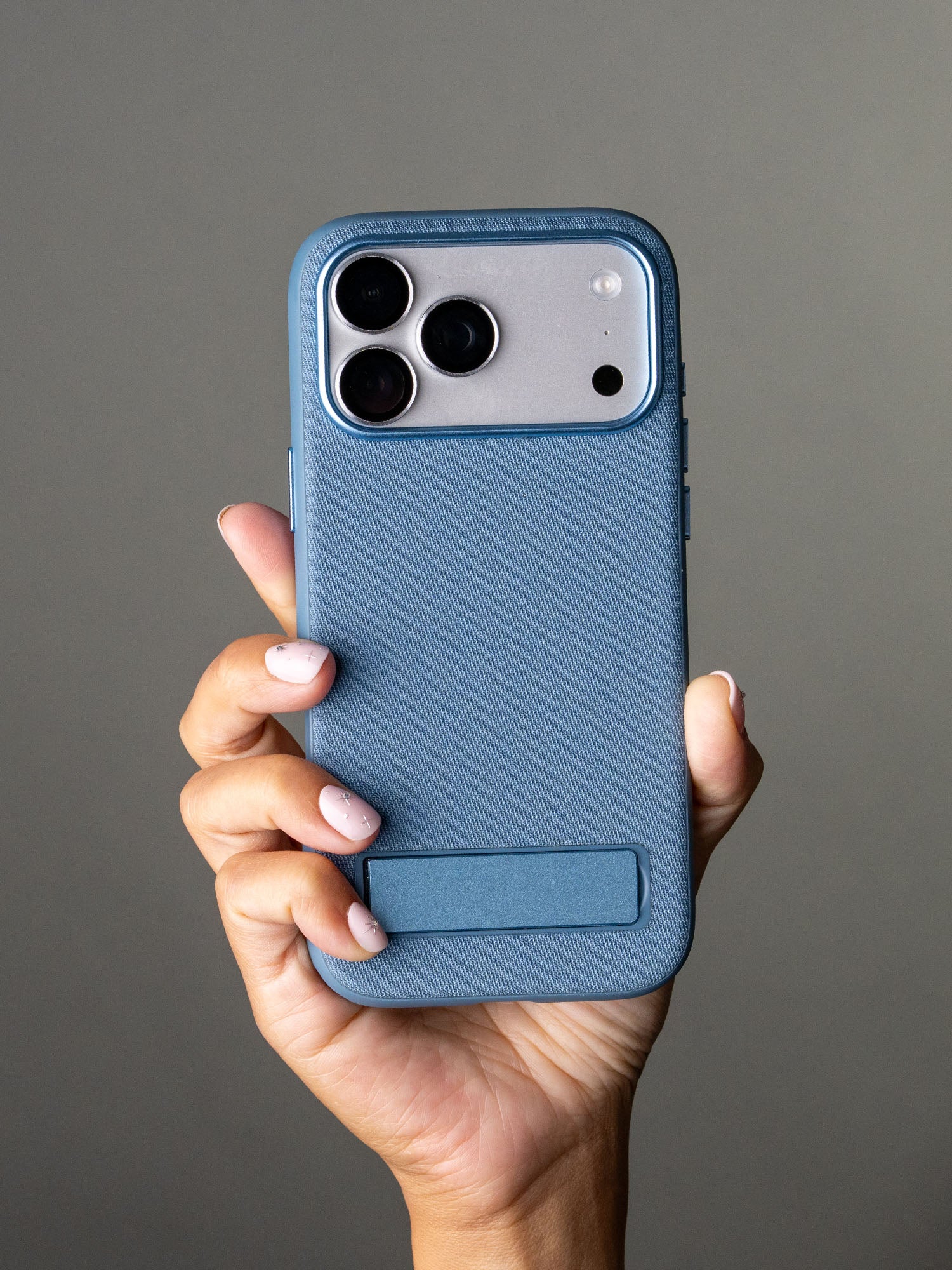
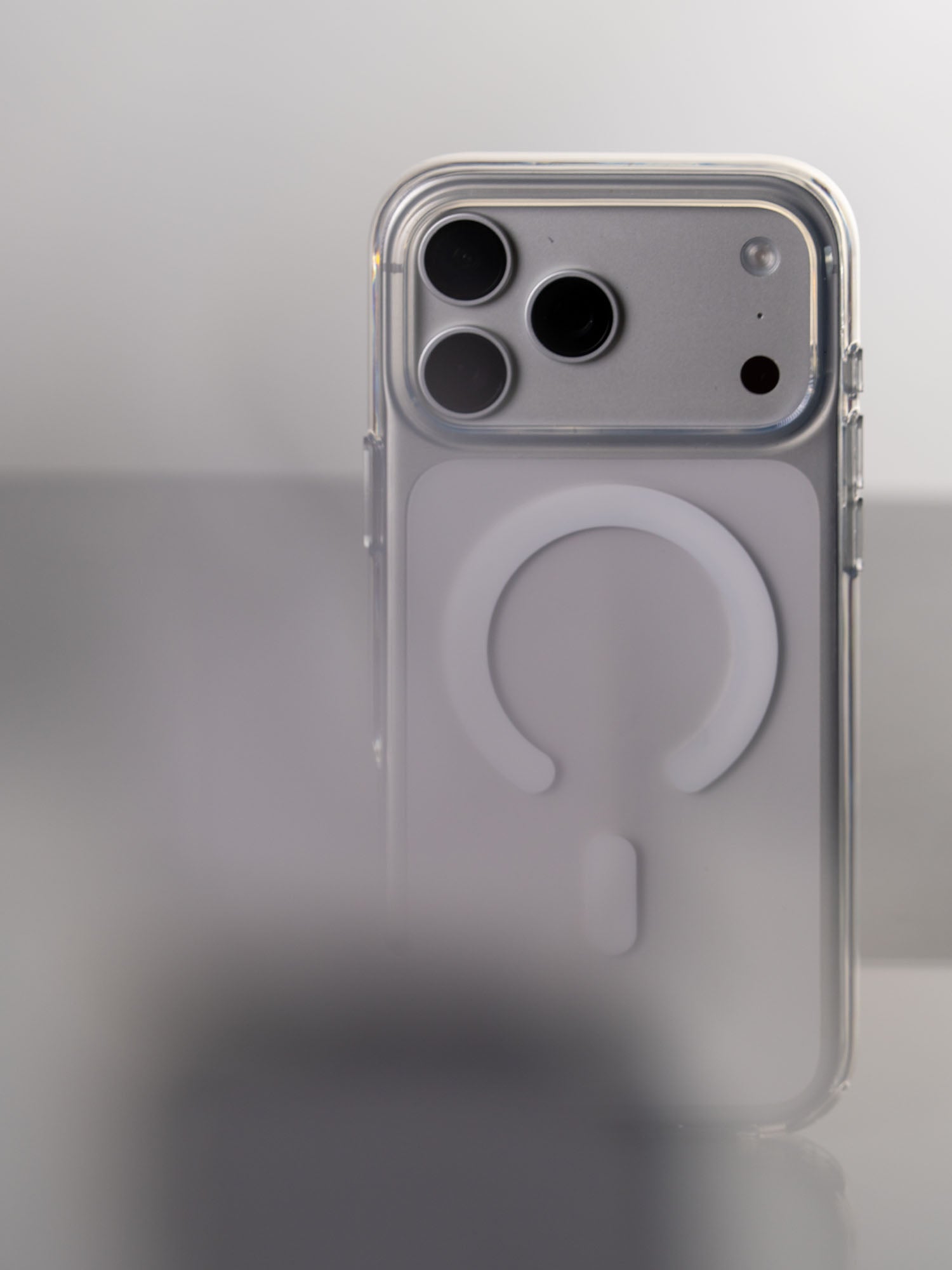
- Filter at the Source: One of the most effective ways to stop the damage is to change the light before it ever touches you. Using a Red Light Converter, engineered to target the 450 nm blue light spike, removes the stressor at the source, rather than just trying to heal the damage afterward.
- Distance and Settings: The intensity of light drops significantly the farther it is from your face. Even holding your phone a few more inches away helps. Additionally, keeping your device's "Night Mode" active—even during the day—softens the intensity of the light hitting your skin.
Finding Balance
The challenge with digital aging is that our biology hasn't had time to adapt to our habits. Our skin evolved to handle the sun, but it didn't evolve to handle a concentrated source of blue light ten inches from our face for seven hours a day.
Because we don't feel the damage happening in real-time, it’s easy to dismiss. But understanding these modern frictions is the first step toward finding balance. By combining smarter skincare with a few changes to how we use our devices, we can ensure that being "connected" doesn’t have to leave a mark we didn’t ask for.



Leave a comment
This site is protected by hCaptcha and the hCaptcha Privacy Policy and Terms of Service apply.