

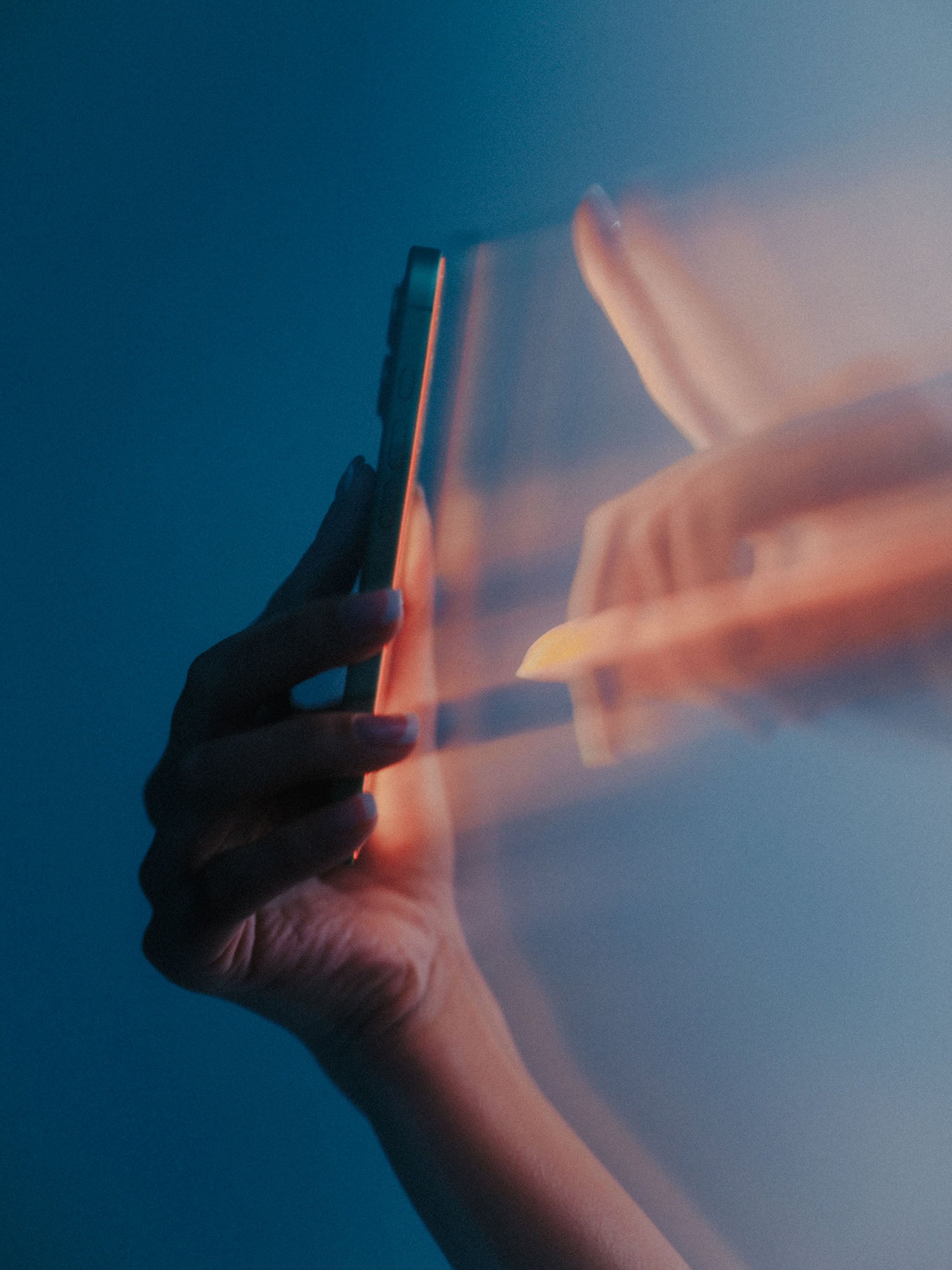
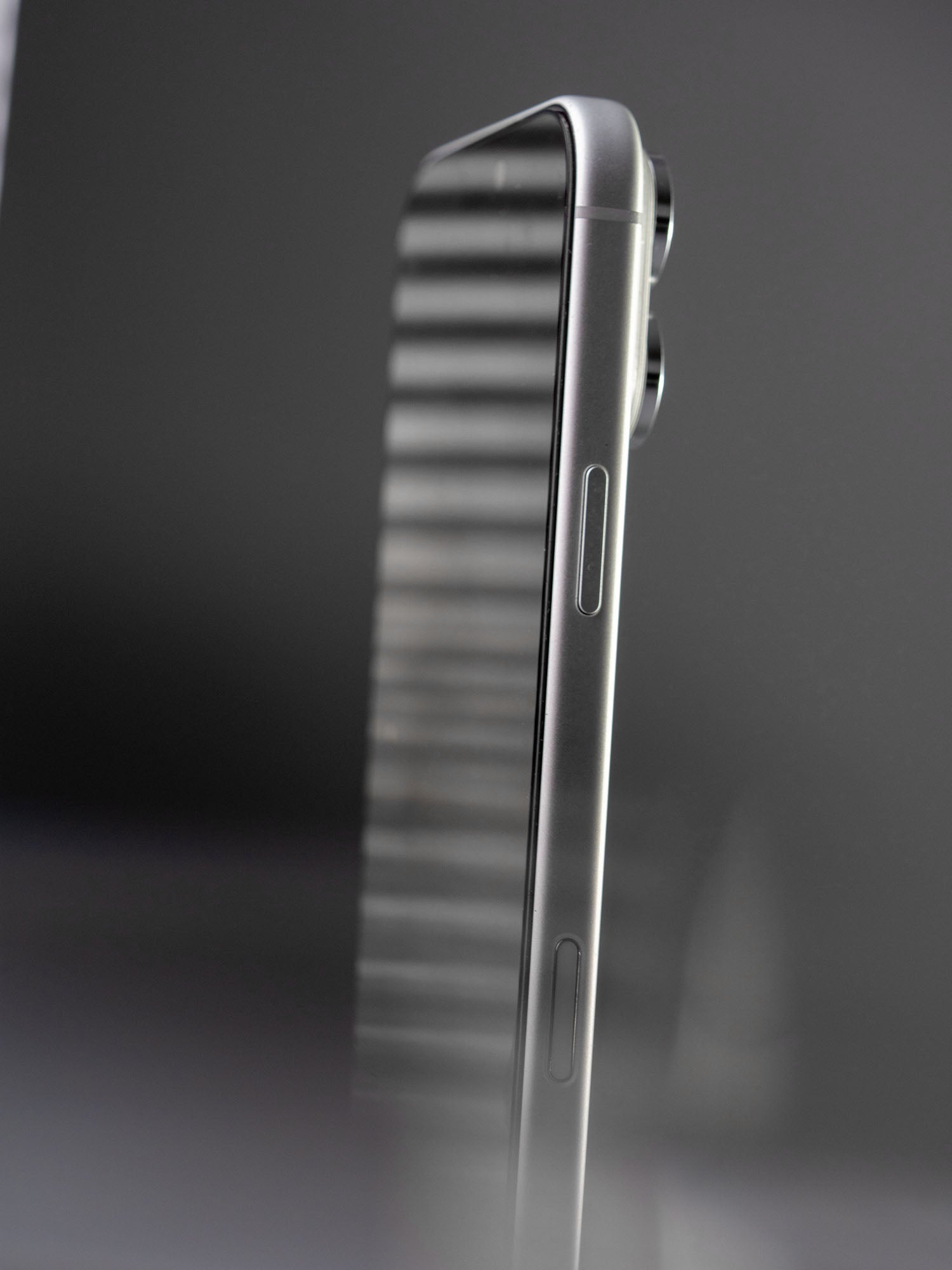
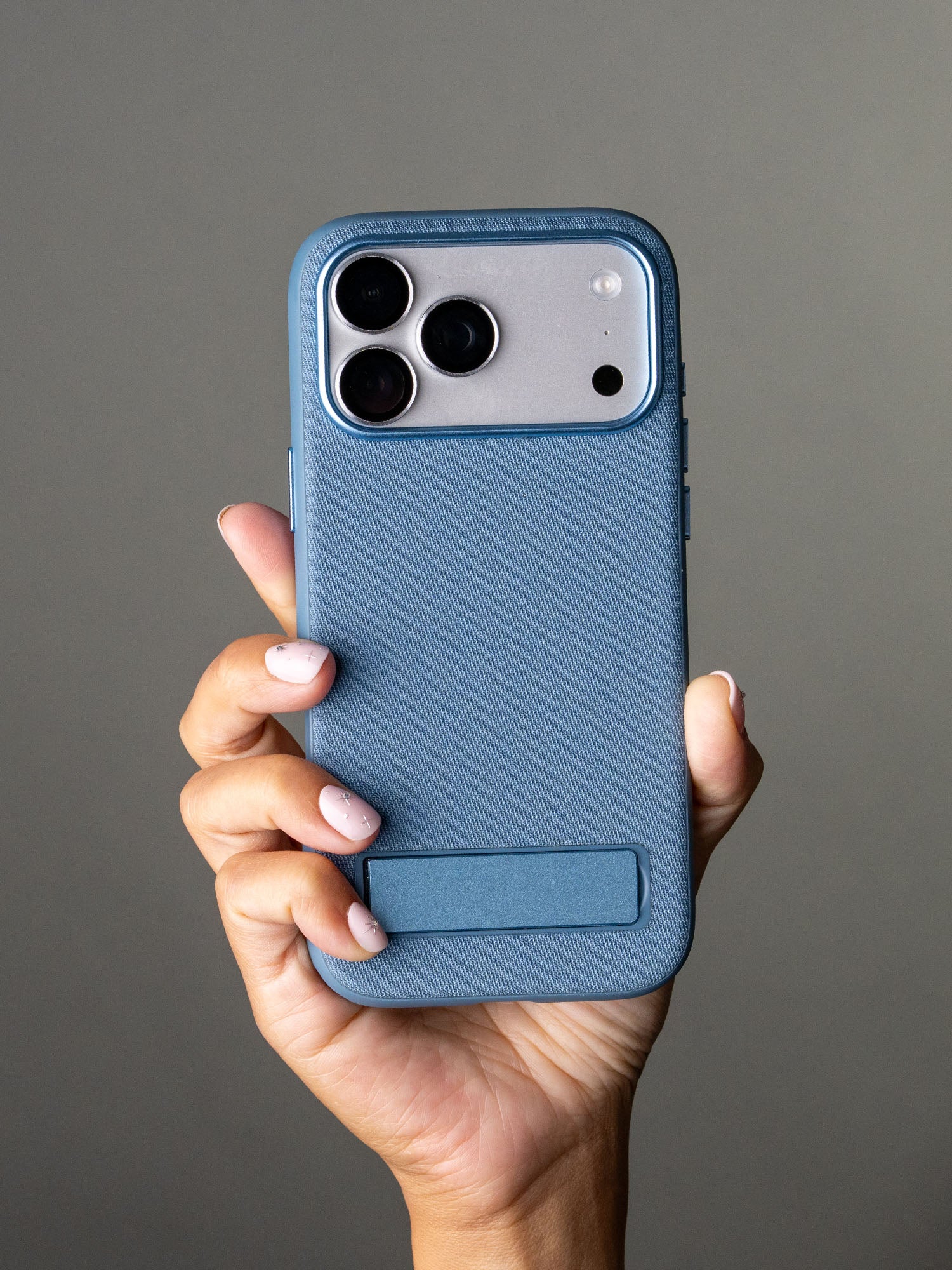

We’ve spent most of our working lives thinking about glass—how it breaks, how it holds up, and how to keep it clear. But lately, weve found ourselves thinking a lot more about light.
The modern world has fundamentally changed our relationship with light. For most of us, the final hour of the day isn't spent in darkness, but in the concentrated glow of our smartphones. We started looking at the data, and it became clear that the next frontier of protection wasn't just about the durability of glass; it was about the impact of light passing through it.
The Reality of Modern Usage
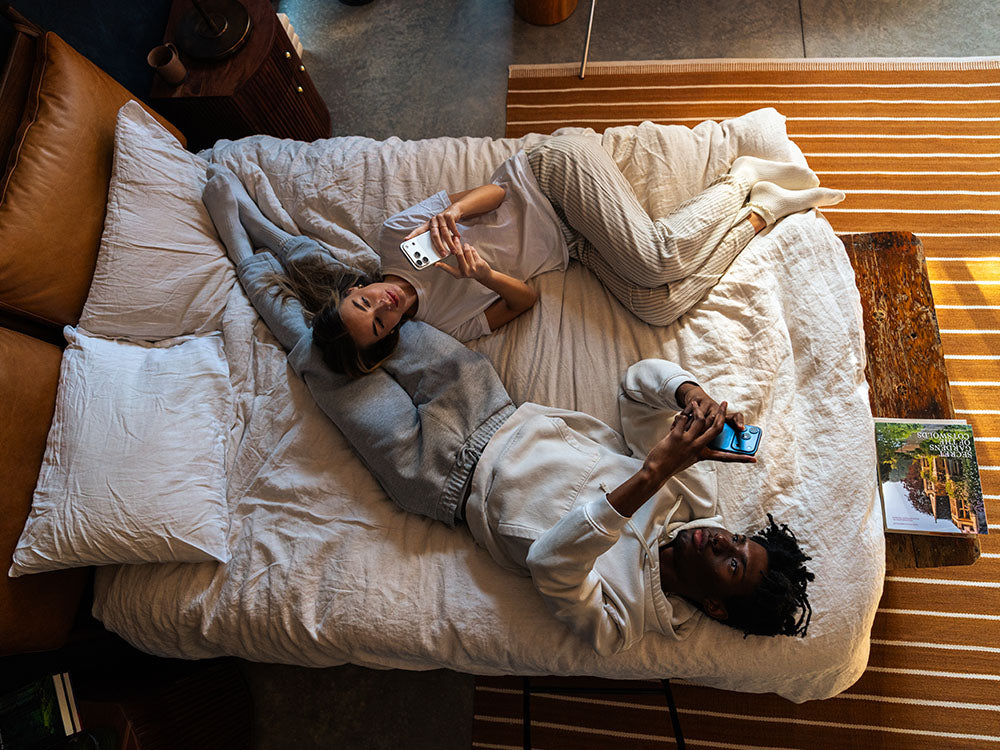
The numbers are hard to ignore. The average person now spends over seven hours a day interacting with a screen. But the part that really got to us was that 90% of smartphone users are on a device within one hour of bedtime.
This habitual exposure is a major concern because of High-Energy Visible (HEV) blue light. Smartphone LEDs are engineered with a significant power spike at the 450-nanometer (nm) wavelength. That high-frequency energy is a primary driver of digital eye strain, but it goes deeper than just "tired eyes."
Research has shown that evening exposure to this 450 nm spike can suppress melatonin, the hormone that regulates your sleep, by as much as 50%. Your brain is tricked into thinking it's midday when you're trying to wind down. This interference delays deep REM sleep, leading to fatigue the next day.
Beyond Blocking
For a long time, the industry standard for managing blue light was "blocking." Most protectors act as a passive shield, reflecting a portion of the light away from the eye.
Think of high-energy blue light as a loud, aggressive melody that’s just too much for the room. A standard blue-light blocker acts like earplugs—it simply tries to muffle the sound to make it less intense.
We wanted to see if we could do something more masterful. Instead of just stopping the blue light, our goal was to transform it. We wanted to take those "loud" blue notes and transpose them into a soft, acoustic red melody. By shifting that energy into the 600 nm - 700 nm range, the soothing zone of red light, the light is still there, but the frequency is fundamentally shifted into something much calmer.
The Engineering Breakthrough: Quantum Dots
To achieve this transformation at a molecular level, we turned to Quantum Dots. It sounds like science fiction, but they are actually microscopic semiconductor crystals - thousands of times smaller than a human hair - that possess a unique ability to change the frequency of light.
Quantum dots don't just reflect light, they absorb it and re-emit it as a different, very specific color. By embedding a layer of these dots into our glass, we created a nano-transformer for the screen.
The conversion process happens in three steps:
-
Absorption: The dots "catch" the harsh 450 nm blue light right as it leaves the LED.
- Conversion: Through a process called photoluminescence, the dots instantly down-convert the frequency of that light.
- Emission: The energy is re-released as a warm, soothing red hue, specifically targeting the 633 nm wavelength.
As this occurs at a molecular level, the transition is seamless. You aren't looking through a dark tint; you are looking at light that has been physically re-engineered for human biology.
Why Red Light Matters
By shifting the spectrum toward red, the technology supports the body’s natural rhythms. Red light sits at the opposite end of the visible spectrum from blue. It has lower energy and, crucially, it is invisible to the circadian clock.
This does two things at once:
Eye Comfort: Red light softens the high-energy glare that often leads to headaches and digital eye fatigue.
Sleep Support: Because red light does not signal the brain to stay awake, your brain can transition into its natural sleep cycle even if you're finishing an email or checking a score one last time.
Engineering the Future of Wellness
The Red Light Converter represents a shift in how we think about protection. We aren't just defending hardware anymore; we are using advanced-materials science to ensure that technology works in harmony with us.
We’ve spent over twenty years perfecting the science of glass. Now, we’re perfecting the science of light. It’s not about being anti-tech—it’s about making sure your devices support your long-term health as much as we protect your screen. It’s just the next right question—and for us, the answer was a better kind of light.

Leave a comment
This site is protected by hCaptcha and the hCaptcha Privacy Policy and Terms of Service apply.